Solar Cell Fabrics: A New Addition to the Off Grid Solar System
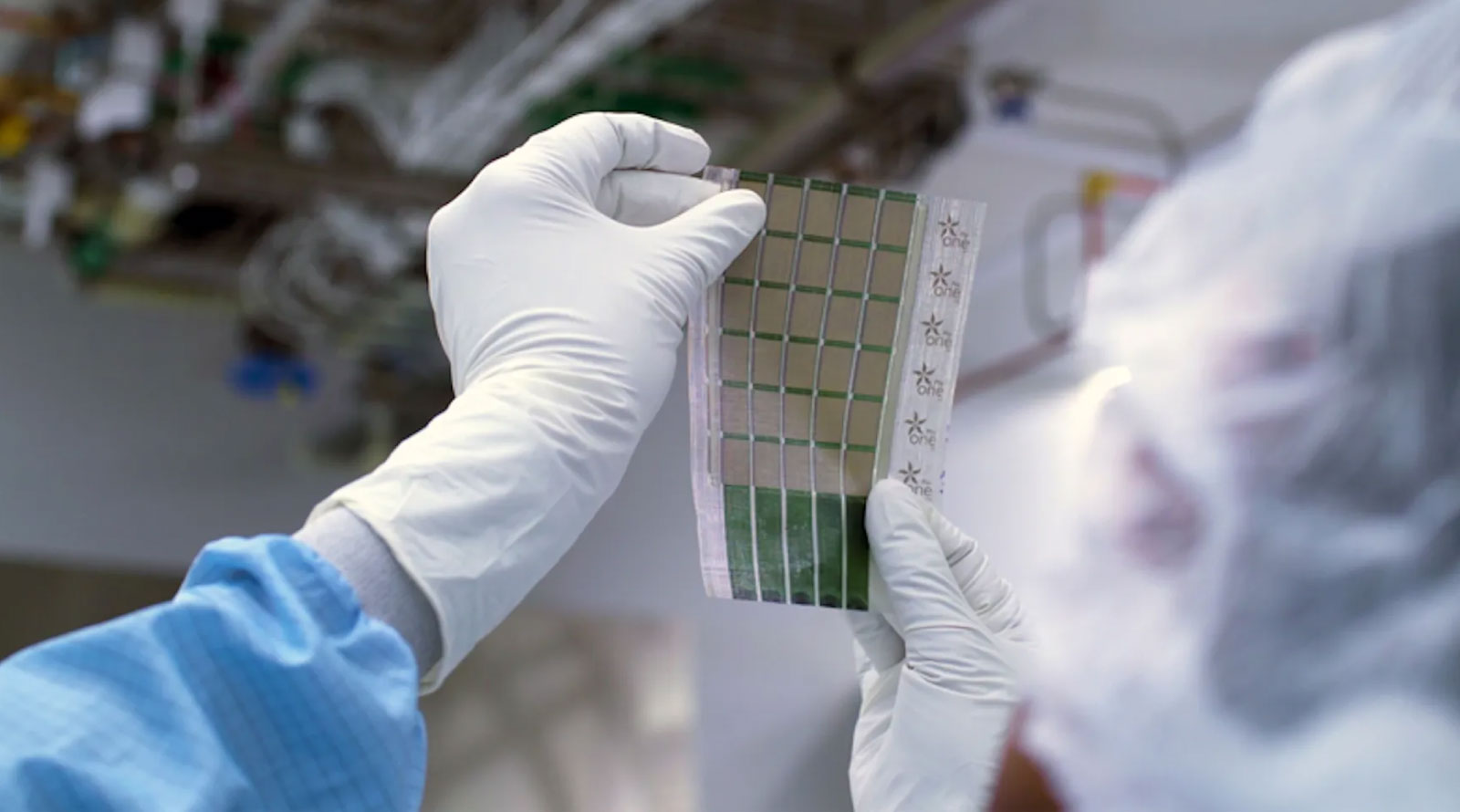
Imagine being able to charge your phone with nothing but your clothing. Sounds futuristic? With solar fabrics, it’s already possible. This new technology uses photovoltaic textiles (woven polymer fibers that generate electricity from sunlight) to create wearable solar fibers that function much like traditional solar panels.
"Traditional panels are excellent for powering homes, but solar fabrics provide mobility and convenience for charging smaller devices"
For people exploring off grid solar systems, solar fabrics are an exciting complement to conventional panels. They provide lightweight, portable energy solutions that expand the possibilities of renewable energy beyond rooftops and solar farms.
1. Understanding Solar Cell Fabrics: What Are They?
What Makes Solar Fabrics Different?
- Apart from the obvious fact that solar cell fabrics are more wearable than most other solar technology alternatives, the use of photovoltaic cells (the cells used to convert sunlight into power) also makes the materials highly versatile.
- These cells can be incorporated into basically anything wearable allowing for far more flexibility than traditional panels.
- This makes them a popular choice among consumers who consider them far better investments than traditional panels that tend to be more expensive, waste too much space and tend to be stationary.
We offer carbon offset services to help individuals and businesses reduce their carbon footprint. By investing in certified renewable energy projects, you can offset emissions and contribute to a cleaner, more sustainable environment. Support sustainable transportation with our EV charging station installation service. Our team provides home, business, and public charging station solutions powered by renewable energy, promoting greener mobility.
For those building an off grid solar system, this flexibility is key. Traditional panels are excellent for powering homes, but solar fabrics provide mobility and convenience for charging smaller devices anywhere, anytime.
2. Benefits of Solar Cell Fabrics for Off Grid Living
As cool as this new technology might be, you might still be wondering why you should invest in it.
Lightweight and Flexibility
- Firstly solar fabrics are lightweight and relatively flexible making them very versatile. These fabrics can be used in clothing, tents and a variety of other structures.
Portable Energy Solutions
- Their diverse nature and flexibility also allow them to be far more mobile than their traditional panel counterparts. This allows businesses and consumers to use them in mobile applications as well.
Durability and Efficiency
- Furthermore, these fabrics are weather-resistant and very durable. This makes them sturdy long-term investments.
- These solar textiles are also highly efficient at power generation on a smaller scale, meaning that they will meet all your smaller power requirements.
Versatility in Applications
- From fashion and agriculture to military and disaster relief, solar fabrics are finding use in diverse industries. For off grid solar systems, they serve as a backup or supplementary source of renewable power.
3. Applications of Solar Cell Fabrics
Some real-world examples of the use of integrated solar cell fabrics, you can use as reference, include:
Fashion and Wearables
- The fashion industry is constantly evolving and looking for new and interesting fabrics to experiment with. Solar cell fabrics might just be the new best thing. Examples of clothing that can be made from this material include solar-powered jackets and even accessories that can power small electronics- all things that are efficient and stylish.
Outdoor Equipment
- Solar cell fabrics are also ideal for outdoor equipment, where consumers often do not have access to other power alternatives. Examples of equipment in this industry include solar fabric tents, camping gear and even blankets.
Military and Emergency Solutions
- These materials are also perfect for tactical fields like the military or security industries, where personnel are in high-risk situations and need to power some essential equipment. Examples include portable shelters and solar-powered watches.
4. Challenges and Limitations
Efficiency vs. Traditional Solar Panels
While these fabrics may convert enough energy to charge your phone, they most certainly won’t be able to power your entire house. This is the case since they have significantly lower conversion rates than traditional solar panels. This is the case since they capture less solar rays due to the smaller surface they cover. They can charge small devices but cannot replace the output of full solar panels in an off grid solar system.
Cost and Scalability
Additionally, there may be cost-related challenges when it comes to mass-producing this technology. That is the case since the manufacturing of this technology requires expert precision which may be very expensive. Unless a viable solution is discovered it is likely that mass production simply won’t be possible.
Corporate Solar Solutions
5. Future of Solar Fabrics in Off Grid Solar Systems
Given the fact that this technology is relatively new, there is still a lot of potential for future growth and development you can look out for.
Technological Advancements in Solar Fabrics
There may be significant technological improvements to the materials that solar cells are made of. These developments may focus on improving the conversion rates, wearability and other factors of the solar fabrics. This improves their overall functionality.
Increasing Integration in Consumer Products
- There is even room for research on how these products can be more smoothly integrated into solving other everyday inconveniences consumers may face, like charging your phone while you are going about your day.
Conclusion: The Path Forward for Solar Cell Fabrics
Sustainable energy is evolving fast. Solar fabrics represent an innovative step forward—stylish, flexible, and portable. While they cannot replace traditional solar panels, they can enhance off grid solar systems by adding mobility and versatility.
Why not move with the times and stay up to date with the most recent renewable energy trends and consider something like solar cell fabrics?
Don’t let yourself fall behind and allow Solar Projects to help you invest in solar cell technology today.
Chris
CEO & Founder of Solar Projects
Frequently Asked Questions
1. What is an off grid solar system?
An off grid solar system is a self-sufficient setup that generates and stores solar power without relying on the national electricity grid. It typically includes solar panels, batteries, and inverters.
2. Can solar fabrics replace traditional solar panels in an off grid solar system?
Not yet. Solar fabrics are best for powering small devices like phones, GPS units, or lights. They complement, rather than replace, the larger panels used in off grid solar systems.
3. How do solar fabrics work?
Solar fabrics use photovoltaic fibers woven into textiles. These fibers capture sunlight and convert it into usable electricity, similar to how solar panels work.
4. Are solar fabrics durable enough for outdoor use?
Yes. Solar fabrics are designed to be weather-resistant, lightweight, and flexible, making them ideal for camping gear, tents, and other off grid applications.
WHO WE ARE AT SOLAR PROJECTS
Solar Projects part of the EEC family, offering a full range of solar energy services, from designing and installing your system to keeping it running smoothly with ongoing maintenance.
We help our clients with:
- Solar Financial Solutions
- Residential Solar Projects
- Commercial Solar Projects
- Solar Rent To Own Financing


