


What to Expect During a Solar Installation: Step-by-Step Guide for Homeowners
Thinking about installing solar panels but not sure what actually happens once you say “yes”? From choosing the right installer to switching your system on for the first time, the solar installation process can feel complex if you’ve never done it before. This step-by-step guide breaks down exactly what to expect during a home solar installation, so you can move forward with confidence, clarity and a clear picture of how your solar journey will unfold.
Step 1: Choosing the Right Solar Panel Installers
The first step in your solar journey is to choose the right solar panel installers. This decision is crucial as it sets the tone for the entire installation process. Look for certified professionals with good reviews and a track record of successful installations. In the UK, installers accredited by the Microgeneration Certification Scheme (MCS) are generally recommended, as this ensures recognised quality and compliance standards
(https://mcscertified.com).
They should not only be knowledgeable about local regulations but also adept at navigating the complex landscape of solar technology. A reputable installer will handle all necessary permits, ensuring compliance with local laws and regulations, which can vary significantly by region.

Step 2: The Initial Solar Consultation
Once you’ve selected an installer, they will conduct an initial consultation. This is your chance to discuss your energy needs, budget, and any preferences you have for the photovoltaic system installation. Be sure to ask questions and clarify any doubts you might have.
The consultation is an opportunity to establish a relationship with your installer, ensuring they understand your goals and expectations. It’s also a good time to discuss potential financing options or government-backed incentives, such as the Smart Export Guarantee (SEG)
(https://www.ofgem.gov.uk/environmental-and-social-schemes/smart-export-guarantee-seg).
Step 3: Conducting a Site Assessment for Your Home Solar System
After the initial consultation, the installer will perform a site assessment. This involves a thorough examination of your roof’s condition, orientation, and size to determine the best setup for maximum solar energy capture. They’ll also assess any potential shading from trees or other buildings that could affect panel efficiency.
The site assessment is a critical step that can significantly impact the performance of your solar system, ensuring that your investment yields the maximum possible return in terms of energy savings. Guidance on roof suitability and solar efficiency can also be found via Energy Saving Trust
(https://energysavingtrust.org.uk).
Step 4: Custom Solar System Design and Proposal
Based on the assessment, the installer will design a customised solar system setup tailored to your home’s specifications. This design will include the type and number of panels, inverter options, and the layout for the rooftop solar process.
You’ll receive a proposal detailing costs, energy savings estimates, and installation timelines. This proposal acts as a roadmap for your solar installation, outlining not just the technical specifications but also the anticipated financial and environmental benefits. It’s essential to review this document thoroughly and discuss any concerns with your installer to ensure complete satisfaction with the proposed setup.
Step 5: Securing Permits and Approvals for Solar Installation
Before any work can begin, necessary permits and approvals need to be secured. Your installer will take care of this, ensuring compliance with local building codes and regulations. This step might take a few weeks, but it’s crucial for a smooth installation process.
Obtaining the right permits can be a complex task, involving coordination with various local authorities, but it’s an essential part of ensuring that your solar installation is legally compliant and safe. More information on building regulations can be found on the UK Government Planning Portal
(https://www.planningportal.co.uk).
Step 6: Arranging Utility Interconnection and Export Payments
During this stage, your installer will also coordinate with your electricity supplier to arrange grid connection and export agreements. This allows your system to connect to the grid and enables you to benefit from export payments under the Smart Export Guarantee, where applicable
(https://www.ofgem.gov.uk).
Understanding this agreement is crucial, as it dictates how your solar system interacts with the grid and how you are compensated for surplus energy generated.
Step 7: Solar Panel Installation Day
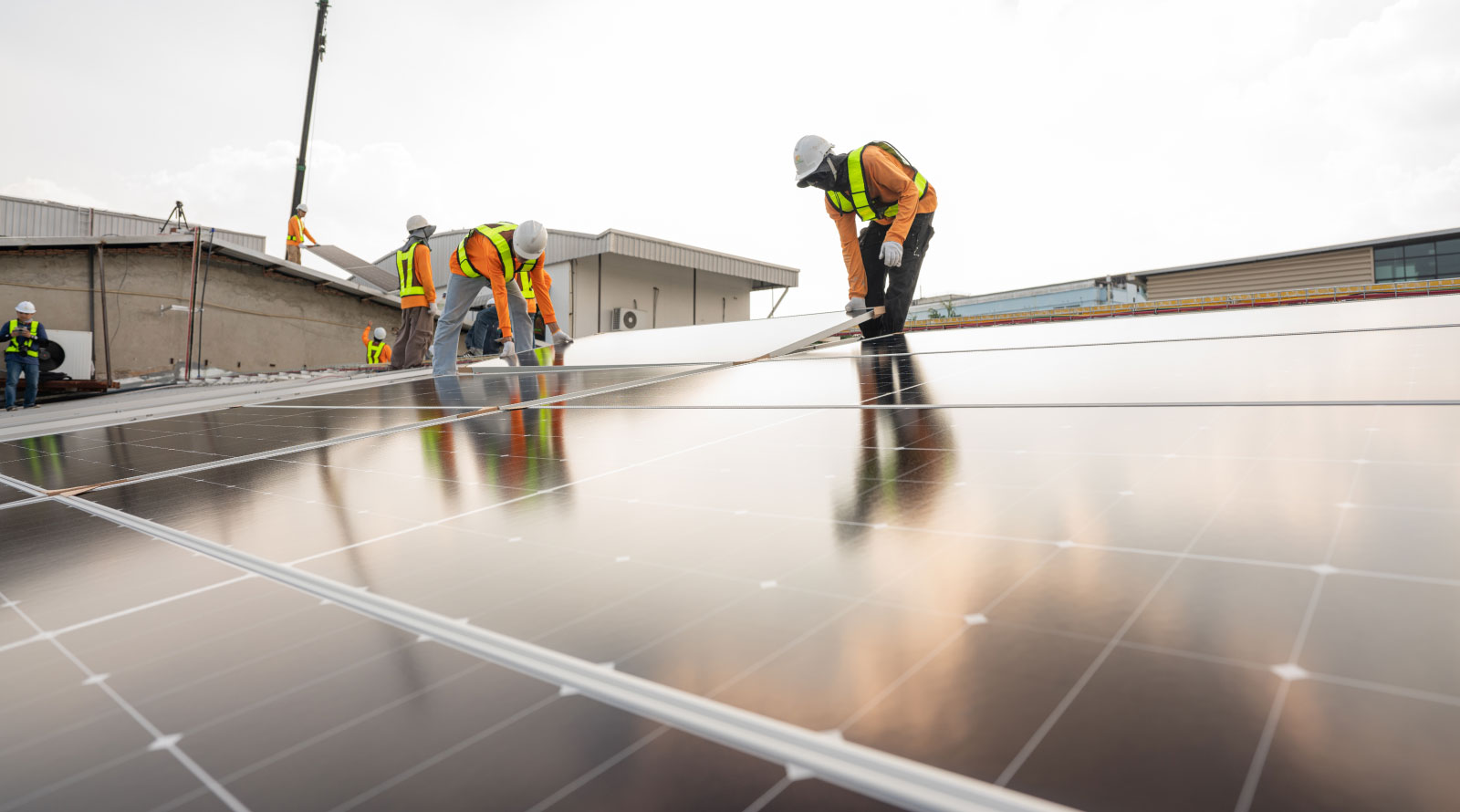
Installation day is when the magic happens. The process typically takes one to three days, depending on the system size and complexity. It’s an exciting time, as you’ll see your solar system come to life, transforming your home into a hub of clean energy production.
Preparing Your Home for Solar Panel Mounting
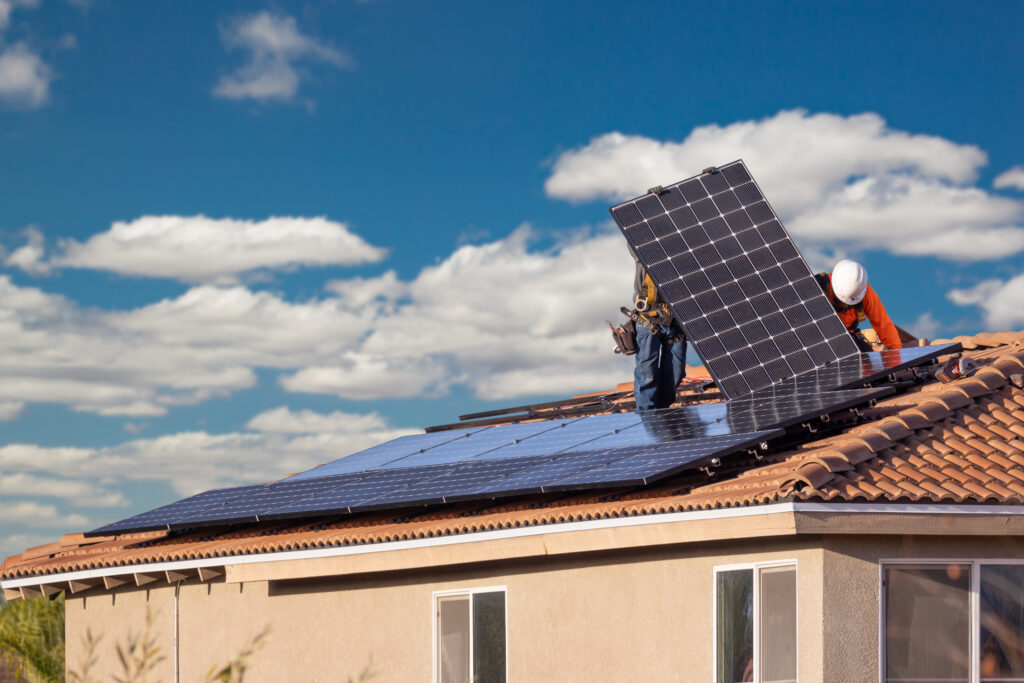
The installation team will first prepare the site by setting up scaffolding and ensuring all safety measures are in place. They’ll then install the mounting system, which secures the solar panels to your roof. This step is critical for ensuring the long-term stability and performance of your solar panels.
Installing and Positioning the Solar Panels
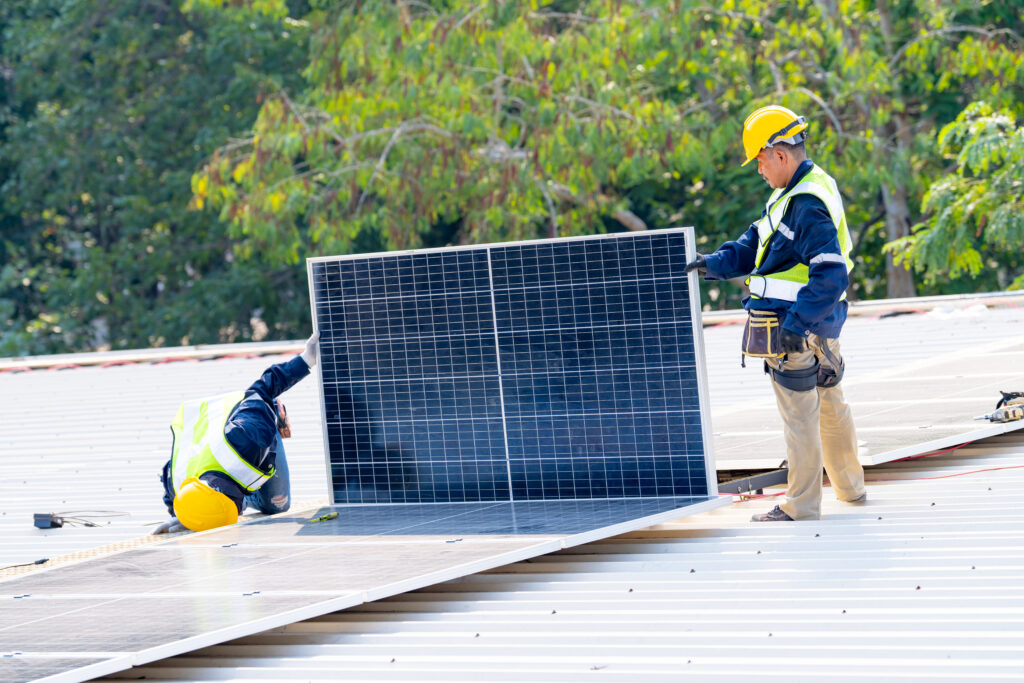
Once the mounts are in place, the solar panels are securely attached. The team will take care to position them for optimal sun exposure, maximising your energy generation potential. Proper placement is key to harnessing the sun’s energy efficiently, and installers will carefully consider angle, orientation, and shading.
Electrical Wiring and Inverter Connection
After the panels are mounted, electricians will handle the wiring, connecting the panels to the inverter and your home’s electrical system. The inverter converts the direct current (DC) produced by the panels into alternating current (AC), which powers your home. More detail on how solar systems work can be found via National Grid ESO
(https://www.nationalgrideso.com).
Step 8: Final Inspection and System Activation
Once the installation is complete, a thorough inspection is conducted to ensure everything is installed correctly and safely. Your installer will arrange for a final inspection by a local authority or distribution network operator to certify compliance with regulations.
After passing inspection, your system is ready to be powered up. The installer will guide you through the activation process, explaining how to monitor your system’s performance and what to expect in terms of energy production.
Step 9: Monitoring and Maintaining Your Solar Panels
Congratulations. Your solar installation is complete, and you’re now generating clean, renewable energy.
Most systems come with a monitoring app or portal, allowing you to track energy production and usage in real time. Regular maintenance is minimal but essential for optimal performance. Advice on long-term care and efficiency can also be found through Energy Saving Trust
(https://energysavingtrust.org.uk).
Step 10: Financial and Environmental Benefits of Solar Energy
Beyond the environmental advantages, solar panels can offer significant financial benefits. Enjoy reduced electricity bills, export payments, and increased property value. According to Which?, solar panels can improve a home’s EPC rating and long-term appeal
(https://www.which.co.uk).
By generating your own electricity, you’re not just saving money but also contributing to a more sustainable and resilient energy future.
Why Going Solar Is Worth It
Switching to solar energy is a meaningful step towards a sustainable future. Understanding the solar installation process helps demystify the journey and prepare you for each stage. By choosing experienced solar panel installers and staying informed, you’ll make the most of your investment in renewable energy.
Ready to Start Your Solar Journey?
Reach out to a trusted installer today and take the first step towards a greener, more sustainable home. Embrace the opportunity to transform your energy consumption and join the growing community of solar-powered households. The future is bright with solar energy, and the time to act is now.

Frequently Asked Questions about Solar Energy
- Cost reduction
- Energy independence
- Eco-friendly
- Incentive opportunities
- Property value
The answer, though, is simple: Large appliances. If you're running a central air conditioner (which uses about 2,000 kilowatt hours of electricity per year), heat pump, or clothes washer or dryer frequently, you could be consuming much more energy than you regularly do.
Yes, solar panels work on cloudy days, but they are significantly less efficient and produce about 10–25% of their normal power output. Sunlight still reaches the panels as a diffuse light source, and modern panels can still generate electricity, though much less than on a clear, sunny day. The exact amount of power generated depends on the cloud cover's thickness.
The size of the solar system you need depends on your energy consumption, the size of your roof, and the amount of sunlight your home receives. Get in touch today and let us help you determine the appropriate size for your needs.
While it is possible to install a solar system yourself, it is highly recommended to hire a professional solar installer (like us) to ensure that the system is installed safely and correctly.
WHO WE ARE AT SOLAR PROJECTS
Solar Projects part of the EEC family, offering a full range of solar energy services, from designing and installing your system to keeping it running smoothly with ongoing maintenance.
We help our clients with:
- Solar Financial Solutions
- Residential Solar Projects
- Commercial Solar Projects
- Solar Rent To Own Financing
